Friday, July 22, 2011

Response from Asian Development Bank ( ADB) and concern persons of HWSP


Custom Search

Saturday, May 28, 2011

Hyolmo TV

Watch live streaming video from hyolmo at livestream.com


Custom Search

Sunday, January 30, 2011

Melamchi Water Supply Project : What Do you think about this project???


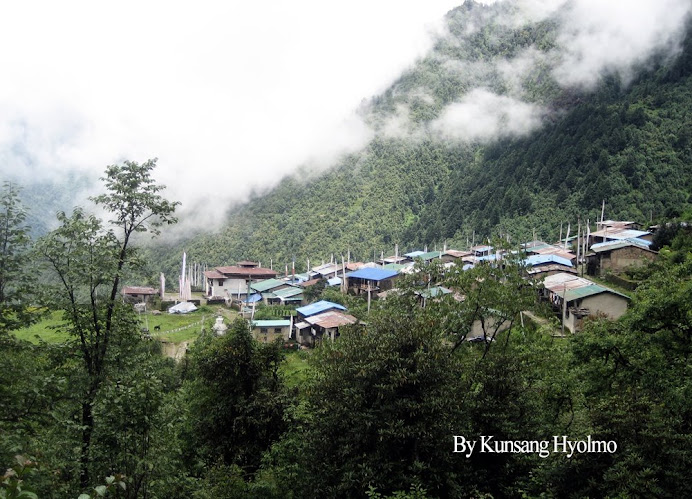
Currently, Melamchi water project is a major problem to Hyolmo Indigeneous People. This project could displace Hyolmo people from their native land and might also have many environmental demirits. The so-called 'Hyolmo Water Project' must be critically re-evaluated with the clear understanding of all its consequences. In a statement by the Asian Development Bank, it mentions that this project will introduce institutional reforms with a view to ensuring sustainability of various services.
Nevertheless, their promises and assurances have not come to fruition. The reality of the matter does not equate to the reality of the present conditions. I personally believe that all aspects of cultural practices spring from having a secure land; without it, one would not only lose the mode of expression through wearing a regional dress but would also lose the very cultural identity of which are are proud of. Below you will find the statements provided by the ADB and I humbly request all the readers to go through it and place their honest comments.
THUK-JAY CHE....
Kunsang Chyaba (Hyolmo)

Nepal: Melamchi Water Supply Project : Nepal
Datum: 19.09.2008

Uitleg fases
Fase:
Board

Processing Stage:
Project Loan

Abstract:
The Project will improve the health and well-being of the people in Kathmandu Valley by alleviating the critical water stress in the region, where 1 million urban dwellers receive piped water for only two hours every two days.
This will be accomplished by tapping additional water resources from the Melamchi River, increasing the water treatment capacity, enhancing access to water, and optimizing the use of existing water resources.
The Project will also improve the living conditions of the people in the Project area by mitigating direct and indirect project impacts and channeling benefits to the beneficiaries on a long-term basis, with particular emphasis on social and environmental aspects.
The Project will introduce institutional reforms with a view to ensuring sustainability of services.

Strategic Development Objectives
Primary
Human Development Secondary
Sound Management of Environment

Rationale
Kathmandu Valley is the country's single largest urban economy and is critical to Nepal's economic growth.
Water is central to the well-being of the population and the key to its productive capacities.
However, current water services are grossly inadequate and unreliable many people must resort to tankered supplies, bottled water, and both deep and shallow wells.
The trend has led to serious environmental concerns as shallow wells are becoming increasingly polluted and deep aquifers are being mined to secure additional water.
Poor water quality impacts sharply on public health.
In terms of access to water
(in the dry season) and quality of water, almost all the population suffer, but the effects are greatest on the health of the poor.
The Project provides the required opportunity to address both the acute socioeconomic distress caused by the lack of adequate safe water to Kathmandu Valley residents, and the institutional challenges to provide water and wastewater management services on a sustainable basis.

Objectives and Scope
The main objectives of the Project are to alleviate the chronic water shortage in Kathmandu Valley on a sustainable, long-term basis, and to improve the health and well-being of its inhabitants.
The Project also seeks to develop a comprehensive institutional framework for water resource management within the valley.
It involves the transfer of water from the Melamchi Valley into Kathmandu Valley through a diversion scheme with a 26 kilometer tunnel.
The Project comprises
(i) infrastructure development;
(ii) social and environmental support;
(iii) institutional reforms; and
(iv) project implementation support.

Policy Dialogue
Good governance, private sector participation, cost recovery, and conservation of natural resources.

Environment Category: A
Environment Impact and Mitigation
A summary environmental impact assessment was circulated to the Board on 23 August 2000.
Measures to mitigate adverse environmental impacts have been incorporated in the project design.
The most critical environmental issue for the people of Melamchi Valley is the amount of water to be taken from the Melamchi River and whether it will affect current irrigation use.
A guarantee will be provided that in the dry season a minimum of 30 percent of natural flow will be left in the river.
All of the water abstracted will be used after treatment purposes and will not be used for flushing the Bagmati River except in connection with the periodic cleaning of the tunnel.
An approved environmental management plan will mitigate against construction impacts through appropriate clauses in the construction contracts.
Construction supervision consultants will be responsible for ensuring that contractors follow contract specifications.
A final check on compliance with sound environmental practices will be made through an independent assessment by a social and environmental monitoring domestic NGO and the results of the assessment reported to ADB.

Social Aspects and Remedies
The location and design of infrastructure has been carefully considered to minimize, if not avoid, land acquisition and resettlement.
Permanent land acquisition is expected for the Melamchi Diversion Scheme (main access road and access roads to adits), water treatment plant, and bulk distribution system (reservoirs and pipeline route), the distribution network (pipeline route), and the sewerage system improvements amounting to about 131 ha, mostly agricultural land.
Temporary land acquisition of 101 ha is also expected for construction camps, borrow pits, and other construction-related activities.
Approximately 98 structures of 91 households will be affected either partially or wholly, and about 25 households will be displaced.
To ensure smooth operation, the Government has agreed that no civil works contracts will be awarded until all land acquisition is complete.
Some community facilities and common property resources will also be affected.
Loss of income directly due to the Project will be compensated, and rehabilitation assistance will be provided for severely affected persons.
The Resettlement Action Plan developed for the Project and its policy framework were agreed to by MWSDB and ADB.
Hygiene education and promotion program will be one of the most important social measures to be taken by the Project for people living in Kathmandu Valley.
Special measures are being taken to ensure that the introduction of the private operation of the water supplies will especially benefit the poor.
These include access to good quality bottled water, assured connections to piped water, targeted hygiene education and promotion programs, and an affordable tariff based on basic needs consumption and targeted environmental sanitation improvements.

Benefits and Beneficiaries
The Project's primary target population is the 1.5 million people (180,000 households) living in the Kathmandu Valley.
The urban inhabitants will benefit from improved water supply services with better water quality, increased quantity, improved supply, extended service areas, more equitable water distribution, and better customer services.
These benefits will go hand in hand with raised public health, hygiene, and environmental awareness, and improved sanitation facilities and maintenance.
The Project will also accrue positive socioeconomic and poverty reduction benefits to the Melamchi Valley population (40,000).
These will include increased incomes from the expanded market and upgraded skills, reduced workload for women, better education for children, and reduced incidence of trafficking of girls.

Public Consultation
Arranged by Borrower, Bank and TA Consultants
Date for Consultation : During PPTA implementation, and processing of the Project.
Groups Consulted : All stakeholders concerned, including beneficiaries, adversely affected people, village development committees and ward representatives, district development committees and municipal officials and representatives, ministries concerned and MWSDB, the private sector, external funding agencies, NGOs, and consultants.

Beneficiary Participation in Formulation
The Project has been prepared with extensive participation of stakeholders, including beneficiaries, adversely affected people, village development committees and ward representatives, district development committees and municipal officials and representatives, ministries concerned and MWSDB, the private sector, external funding agencies, NGOs, and consultants.

Beneficiary Participation in Implementation
The Project will address the direct participation of beneficiaries through social uplift program implementation, representation of adversely affected people in the compensation determination committee, and representation of Kathmandu Valley beneficiaries in a water users association.
The Project will also undertake consensus building at all levels on issues such as water services, environmental and social mitigation and compensation, and employment.
To ensure that women's participation and gender concerns are fully addressed, a gender strategy will be developed and implemented.
Apart from this, it has been agreed that at least one of the members of the regulatory body will be female.

Procurement
Procurement of goods and services financed by ADB will be done in accordance with ADB's Guidelines on Procurement.
Contracts for civil works estimated to cost more than $1.0 million equivalent will be carried out using international competitive bidding procedures, while those contracts estimated to cost $1.0 million equivalent or less will be under local competitive bidding procedures.
Miscellaneous minor goods that cannot be grouped into a larger contract and cost less than $500,000 per contract will be procured through international shopping procedures.
Procurement for contracts financed by other development agencies will follow their respective guidelines

Financing Institution:
Asian Development Bank

Total Project Cost
USD 120 million

Program:
Loan-1820 NEP

Contact:
Mr. Leonardus Boenawan Sondjaja (lsondjaja@adb.org)

Agency:
Melamchi Water Supply Development Board Hari Ram Koirala Executive Director Ministry of Physical Planning and Works Ministry of Physical Planning CPMO@DWSS.MOS.COM.NP
Source from ADB Statement


Custom Search

Tuesday, January 11, 2011

FESTIVAL IN HYOLMO (YOLMO) HELAMBU


Custom Search

Saturday, September 11, 2010

Tsezhu in Hyolmo (Festival in Hyolmo)

Videos of Tsezhu or festival in Hyolmo
1.Losar:Right now Video is not available for losar

2.Dhalo pangdi:Videos not available
3.Lehudhima: videos not available

4.Sher tsezhus :Part 1 and for more video please visit www.youtube.com/kunsang


5.Nara Drungru :


Inside Hyolmo monastry:

Hyolmo Dress ???

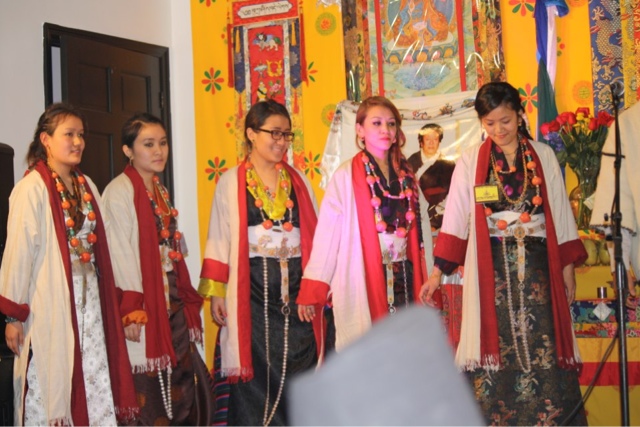
There is so much confusion in this (Hyolmo dress)case which has been created in our people. In context to Hyolmo (Helambu) our dress is Daura Suruwal which is also called LAPTAR FUNGSHO in Hyolmo language; here Laptar refers to Daura and Fungsho refers to white or black woolen jacket made from sheep ( made in Hyolmo) and Nyolkuti Gapti ( Khukuri, special knife).Still we can see people are using this methed of making it . Context to Tibet dress is Chhuba.Our origin Starts from Tibet, Mongolia,China,Bhutan etc....When we talk about Hyolmo/Yolmo/ Helambu we are talking about that particular place. I was born there and raised there; till now people have been wearing daura suruwal and fungsho as a dress.


    Hyolmo kids before 1970 in  Hyolmo .


I think this dress is particularly our Hyolmo dress. We have been wearing for long time since Hyolmo is there and this dress are made in Hyolmo.
Every people have the right to speak ……In this topic people have mentioned so many things but some things are still very unclear. Some of my Hyolmo friends said that our dress should be Chhuba…… I won’t say no if it is in context to Tibet, Sherpa’s, etc but we are not Tibetans…We are Hyolmos …we came from Hyolmo. If we go farther than that we could be anything… In hyolmo we have Gale family who came from Gurung, Sherpa family who came from Solu, Tamang family,Magar family etc…who became to Hyolmo and adopted Hyolmo culture (who have been living there for a long time), Lhoba family who came from China to Tibet and Bhutan to Hyolmo. People from China like..Chineya lama and other people from Mongolia….etc


Now if we keep on searching for our pre-existing ancestral history we are in for a long ride….
If anyone wanted to adopt Chubba as Hyolmo dress then I don't object...It is their wish and right to wear it. Mean time speak Tibetan language instead of Hyolmo and called yourself Tibetan not Hyolmo. Hyolmo Language totally different from Tibetan.May be some words might be  similar which doesn't mean we are Tibean. Even Hindi and Nepali, some spoken or written words are similar which doesn't mean Indian and Nepali.
Hyolmo culture is defined as particular society at the particular time and place.
Some of friends said:
1. We came from Tibet and we have similar language, culture and religion that’s why we should wear Chhuba even during social meetings.
2. We are Buddhist and we have to wear chhuba, 3. Daura suruwal is our national dress….. and Rana regime forced us to wear daura suruwal…..?
My answer :
1) If anybody came from Tibet then it is better to called themselves Tibetan. Here we Hyolmo came from Hyolmo and we are talking about Hyolmo which is in Nepal not in Tibet. We have unique culture which is different than others. When someone dies we do “Gyewa”. On that day we do Mani dance which is introduced by Guru Rinpoche, called “Mani Tsyopa”. We make “Babar and Thongse” special cultural dish on Losar and we usually celebrate Losar a month earlier then Tibetan, there is the practice of marrying one’s maternal uncle’s aunt’s daughter etc….
2) Yes, most of the Hyolmo practice Buddhism it doesn’t mean we have to wear Chuba. I don’t think it is mentioned to wear Chhuba in the Buddhist philosophy or in the Buddhist text. Founder of Buddhism “Buddha” was born in Nepal and has never been to Tibet. If you are talking about yogi who brought Buddhism to Tibet “Guru Rinpoche” who is also known as “Urgen Pema Jungne ” then he was born near east Pakistan or Ost-Pakistan . After that he went to Tso-Pema, India. While practicing religion, rumors were spread that Guru and princess Mandarava acted improperly. So the king ordered to burn Guru. (Long history)After that Guru reincarnated from Lotus and that’s how we called Padmasamvawa. So if we follow Buddha and Guru then we need to wear kind of Dhoti or something else….Before Guru there was no Buddhism in Tibet that they practice as `Bon``.
3) If Daura suruwal could be cultural dress of indigenous people like Tamang, Newar, Thakali and other then how come Hyolmo wearing daura suruwal is national dress? Top of that we have unique dress and like Fungsho, Nambu Kara ( Scraf) and Ngolkoti Gapti, which is made in Hyolmo . As we all know our ancestor were yak and sheep herding people in Hyolmo. Fungsho is made there and still people using it. My point is that what ever we utilize and make in that particular place should be our cultural dress.
If daura suruwal is national dress then let’s go back to our history. Our Hyolmo’s history goes much further than 800 years and up. while daura suruwal was introduced as a national dress after the time of King Prithivi Narayan shah. Does anyone notice that the King of Nepal Prithivi Narayan shah was wearing something other than Daura Surwal. If we count the years after Prithivi narayan shah who united Nepal then it has been approximately 250 years but our history goes much further than that. If Rana regime had forced us to wear daura suruwal, then why was it only implied to us (Hyolmo people)? Is it because we are near to Kathmandu? If so, then there are so many other places surrounding Kathmandu and I can still see that they are wearing Chhuba why not Daura Suruwal (That’s what our guys called National dress)
Nowadays, People found other cultural dresses and languages are fascinating and hesitate to wear their own cultural dress. This is my opinion, I might be wrong but dress is not only solution to develop our Hyolmo. There so many things to be done ……. Future of Hyolmo is in our hand; let’s preserve our Hyolmo culture by mutual understanding. Hyolmo song..... Hyolmo jhorang jhosye, Yabu jhorang jhosey , Jhojey namyang mindu sampa tsera tsera namyang mindu sempa tsera tsera. Horang thuindang thuinjey, yabu bhetie thuinjey, thuinjey nayang mindu sempa tsera tsera , Namyang mindu semapa tsera tsera...... Ohhhhhhhhh lhaso


Custom Search

Friday, August 6, 2010

धर्म को नाममा हिंसा निम्त्याउँदै छन

धर्म को नाममा हिंसा निम्त्याउँदै छन :-
राजनीतिक दल भित्र मात्र नभएर राज्यका बिभिन्न अंगमा सबै हिन्दूहरुको अधिपत्य भएकै कारण हिन्दू धर्मको अभियानमा भूतपूर्व राज्य प्रमुख देखि बर्तमान राजनितिक दलका नेतृत्व बर्ग र सुरक्षा संयन्त्रका अतिबादी हिन्दुहरु हिन्दू राष्ट्रको पक्षमा देश बिदेश तिर वकालत गर्दै धर्म को नाममा हिंसा र अराजकता निम्त्याउँदै छन !यसरी हिन्दूहरुको महत्वाकाङ्क्षाले सयौं थुंगा फुलका हामी एउतै माला नेपाली भनेर प्रमाणित गर्ने प्रमाणको दस्तावेज मेटिने प्रवल संभावना देखा परी सकेको छ ! यदि अतुबादी हिन्दूहरुले आफ्नो सिमित स्वार्थ र महत्वाकांक्षले उग्ररुप लिँदै गयो भने बहु भाषा बहु धर्म बहु संस्कृति रहेको देश नेपालमा अन्य भाषा,धर्म,संस्कृतिका नेपाली नागरिकहरु मौन र मूक दर्शक भएर बस्न सक्ने अवस्था भने पक्कै पनि छैन।यहाँ अनौठो लाग्ने कुरो के छ भने , भाषा र धर्मको नाममा हिंसाको क्रियाकलापलाई अंगालेर देशमा धार्मिक युद्द निम्त्याउने अतिबादी हिन्दुहरूले अन्य भाषा,धर्म,संस्कृतिका नागरिकहरुलाई जातिया नारा लगायो भनेर निर्लज्ज संग कसरी भन्न सकेको ?
अतिबादी हिन्दुहरु र राजनितिक दलहरु बिदेशीको इशारामा नाचेर देश र नागरिकलाई बर्वादीको खडाल तिर धकेलिँदै छ! यिनीहरुको नीच र नैतिकहीन प्रब्रितीले राज्यमा सान्ती हैन, हत्या,हिंसा र अराजकताको स्थिति दिन प्रति दिन झांगिन्दै गएको छ। प्रजातंत्र र लोकतंत्रको खोक्रो नाराका साथ हिन्दू राष्ट्रको वकालत गर्ने राजनीतिक दलहरुले अबका दिनमा हिजोका जहाँनिया राणा शासन र निरंकुश राजतंत्रको जस्तो एकतर्फी जातीयबाद र हिन्दुबादी हैकम शासन चलाउन सम्भव छ छैन भन्ने बारे सोंच्नु पर्छ । प्रजातंत्र र लोकतंत्र भनेको कुनै एक बर्ग समुदायको स्वतंत्रताको लागी मात्र होइन!प्रजातंत्र र लोकतंत्र भनेको सींगो देशको नागरिकहरुले सामान हक़, सामान न्याय,सामान अधिकार,सामान अवसर पाउनु हो! तसर्थ,मानव अधिकार र देशका नागरिकको अधिकार पूर्ण रुपमा सुनिश्चित गराई सान्ती अमन चयन कयाम गर्न त्यस्तो संकुचित मानासिक्त्ता र बदनियती भएका राजनितिक दलका नेताहरु बाट देश र नागरिकको बिकास संभव छ छैन त्यसको मूल्यांकन देशका नागरिकहरुले गर्नु अति आवश्यक छ !यस्ता बिकृति र बिसंगतिलाइ हटाउन वा रोक्न सक्ने सच्चा लोकतंत्रबादी,प्रजातंत्रबादी र मानव अधिकारको पालना गर्न सक्ने सुझ्बुझ् भएका युवा सक्तिहरू एक जुट हुनु अवास्यक छ ! नेपालमा दुई सय चालीस बर्षको अवधी सम्म यस्ता सहास र सुझबुझ भएका नेताको जन्म नै हुनै सकेन र सकेको पनि छैन!यथार्थलाइ राम्रारी नियालेर हेर्ने हो भने अहिले देशमा राजनितिक दलहरूले राष्ट्र र राष्ट्रीयता प्रति आत्म विश्वास गुमाउँदै गएको छ!यसरी आत्मा बिश्वास गुमाउँदै जानु भनेको राष्ट्र र राष्ट्रीयता अरुको ,हातमा सुम्प्याउनु र नागरिकलाइ शरणार्थी बनाउनु हो भन्ने बुझनू पर्दछ । दुई सय चालीस बर्ष देखिको एकल जातीय र धार्मिक शोसनमा परेका आम नेपालीहरुले देशमा नागरिकहरुको हक़ हित अधिकार शुरक्षित गर्नको लागी अग्रगामी परिवर्तनहरू ल्याउन चाहेका छन!तर राज्यले निष्पक्ष,निस्वार्थ रही स्वतन्त्र रुपमा निर्णय लिन वा गर्न कन्जुस्याई गरी राखेको छ । यस परिस्थितिमा राजनितिक दलहरु भित्रको खिचातानीले व्यक्तिगत वा पार्टीगत हार जित तथा मान-अपमान भन्दा पनि यहाँ राष्ट्र राष्ट्रीयता र नागरिको अपमान भएको छ। यहाँ दल र ब्याक्तिको हार भन्दा पनि राज्य र नागरिकको हार भएको छ!तसर्थ सच्चा इमानदार देश भक्त नेपाली सबै मिलेर विद्यमान राज्य विहीनता अन्त्य गर्ने प्रयत्न गरेनन् भने यी राजनितिक दलका भ्रष्ट नेताहरुले राष्ट्र राष्ट्रीयता नै समाप्त पारिने संभावना देखा परी सकेका छन् ! देशमा जनताको जनाआकांक्षा,जनाभावना र जनाचाहना अनुरुप राजनीतिक दलहरुले सही दिशा लिन नसक्दा मुलुक अहिले अत्यन्त अप्ठ्यारो स्थितिमा गुज्री राखेको हाम्रो सामू स्पष्ट छ !राजनितिक दलहरु समस्यालाई सुल्झाउन होइन झन् समस्या माथी समस्य थोपारेर देश र नागरिकलाई नर्कमा डुबाउने तर्फ कम्मर कसेर लागी परेको छ ।
अहिले मुलुकको अवस्था लंगड़ोले अन्धोलाई डोर्याउँदै हिंडेको जस्तो भएको छ । राजनीतिक दलहरुका नेताहरु र तिनका कार्यकर्ताहरूमा इमान्दारिता नहुनु,देखिनु ! राष्ट्रको बिकास र नागरिकको नैसर्गिक अधिकार सुनिचित गर्न गराउन भन्दा पनि आफ्नो स्वार्थलाई बढ़ी महत्व दिनु ले नै प्रजातंत्र र लोकतंत्र भलखाँड़ोमा जाकिने अवस्थामा छ! राजीनीतिक दलका नेताहरु र तिनीहरुका कार्यकर्ताहरुको चरित्रमा सुधार आउन नसके देशले सही गति लिन सकने अवस्थामा छैन!सबै राजनितिक दलहरुको क्रियाकलाप हेर्दा नैतिकहीन लुन्दुप दोर्जे मुखी चरित्र देखिएको छ!त्यसैले सच्चा ईमानदार देशभक्त नेपालीहरुले बेलैमा बुद्दी पुर्याउन सकिएन भने उनीहरु त डुब्छन्-डुब्छन् देश र जनतालाई पनि डुबाएर छोड्छन् ।किन भने राजनीतिक दलहरुले जनताको आशा र बिस्वाश माथि बिष बमन गर्न कुनै कसर बाँकी राखेनन्। नागरिकहरुलाई यिनिहरूले न शान्तिको महशुस दिलाउन सक्यो, न संविधान निर्माण नै गर्न सक्यो। यतिखेर नेपाली जनतालाई राजनितिक दलहरुले रंगशालामा फुटबल खेलाड़ीहरुले फुटबल खेलाए झैं खेलाई राखेका छन्।कसैलाई पत्तो नदिई कुन दिन गोल हान्ने हुन केही थाहा छैन!केही थाहा भएकाहरु तिनै भ्रष्टहरुका नातेदार र आसेपासेहरु छन, तिनिहरू जुंगामा ताऊ लगाएर जनताको बिरोधमा उभिएका छन! तसर्थ अब जनताहरु जागरुक भई ति भ्रष्ट नैतिकहिन् दलहरुका साथै भ्रष्ट कर्मचारीहरुको जरै देखि निर्मूल गर्न सकिएन भने देशमा परिवर्तन होइन देशै रहला की नरहला भन्ने प्रश्न वाचक चिन्ह हामी सामू खडा भएको छ!
दुर्भाग्यको कुरा ! अतिबादी हिन्दू र जातीय हैकमबाद्को पूर्ण चरित्र भएको नेतृत्वको बाहुल्यकै कारण मुलुकको परिस्थिति कति पनि सुधार हुन सकि रहेको छैन ज्यूँ को त्यूँ छ ।राजनितिक दलको नेतृत्व पक्ष देखि देशको प्रशासनिक क्षेत्रमा निम्न तह देखि बिशिष्ट श्रेणी सम्म एकल जातीय हैकमबादले गाँजीएर बेरिएको हुंदा अन्य वर्ग समुदायका नेपाली नागरिकहरुले आफ्नो दूरदृष्टि कार्यक्षमता र इमानदारीता देखाउने अवसर नै पाएका छैनन !समय परिवर्तन क्रम अनुशार राजनीतिक परिवर्तन भए पनि देशका आधा भन्दा बढ़ी नागरिकले परिवर्तन भएको महशुस गरेका छैनन!विडम्बनाको कुरा के हो भने राजनितिक दलहरुले खोक्रो प्रजातंत्र र लोकतंत्र अप्नाएको हुंदा दलहरुले जनभावना र जनाकांक्षालाइ सम्मान गर्न जानेनन । बरु पुरानै दिशा तिर फर्काउने सुर कस्दै छन्।मुलुकलाई अराजकता र असफल राज्य बनाउने तर्फ उन्मुख गराउन अतिबादी हिन्दूहरु नै लागी परेका छन!मूल:त राज्यले बिभिन्न भाषा,धर्म,संस्कृतिमा आधारित नेपाली नागरिकहरुको हक़ हित र अधिकारलाई संबिधानमा स्पष्ट उल्लेख गर्न नचाहेकै कारण ले र दलहरु भित्र बिभिन्न भाषा,धर्म,संस्कृतिमा आधारित नेपाली नागरिकहरुको हक़,हित र अधिकार कै बिषयमा सहमति हुन नसकेकै कारणले संबिधान बन्न नसकेर यतिखेर मुलुकमा अराजकता र अस्थिरता मौलाउँदै जानुका साथै मुलुक संकटमा फस्ने सम्भावना प्रष्ट देखिएको छ!
Source from www.fipna.net by Karma Gyalchen sherpa
Custom Search